What Founders Get Wrong About Traction
2 min readIf you are in my life, you have likely received a TikTok from me.
Some are business related that I send to clients. Some are ignored in the family chat. Some are proud dad posts1. Others are funny because they hit a little close to home.
Since you, my loyal readers, are in my life, I’m going to share one with you below.
I have not met Sim Wason2, but her video hit my feed3 and she unpacks a term that founders hear all the time — “traction,” as in “we’d like to see more traction” or “what kind of traction are you seeing?”
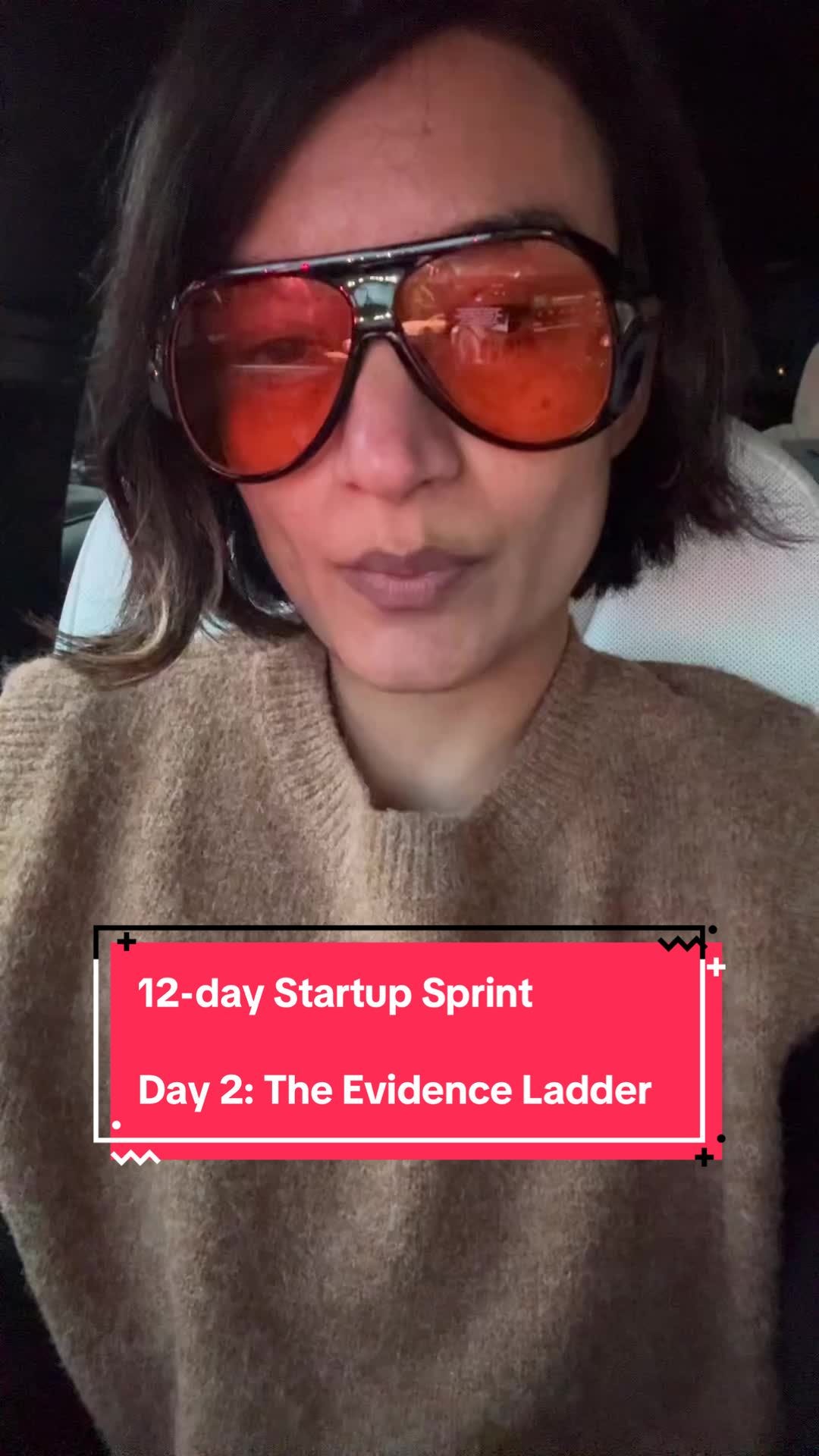
Founders are always looking for “product/market fit” and “traction” and sometimes it’s hard to put your finger on it and, all too often, we lie to ourselves that we have it by focusing on the wrong metrics or just say “we know it when we see it.”
Sim does a great job breaking this down into something more useful. She is clear that:
Traction does not mean growth. Traction means evidence.
But, you ask, what is evidence?
Sim outlines five rungs on what she calls “The Evidence Ladder” and you can’t skip any of them.
Usage — are real users actually touching without you pushing them?
Repeat Behavior — do they come back on their own or only when you remind?
Pain Relief — does your product replace something painful, slow, or expensive?
Willingness to Pay — not interest or compliments - real money, real time and real commitment.
The Pull — referrals, expansion, or users asking for more before you’re ready.
Growth will hide problems, evidence reveals the truth.4
I found this really helpful. I hope you do too. Please let me know.
Sim is here on Substack with and she is running a twelve day startup series on her TikTok. It is worth a follow.
FAQ
Q: What is the most common mistake CEOs make?
A: Confusing activity with progress. The best CEOs focus relentlessly on the few things that actually move the needle, not on being busy.
Q: How can executive coaching help startup founders?
A: A coach provides an outside perspective, helps you see blind spots, and creates accountability for the changes you know you need to make but keep putting off.
Q: What separates good CEOs from great ones?
A: Great CEOs create clarity, build trust, and make decisions with speed and conviction. They respond rather than react, and they invest in their own growth as leaders.
Get posts like this in your inbox
I write about leadership, decision-making, and building companies. No spam, just ideas that might help you lead better.
Subscribe for email updates